If you’re exploring cloud solutions, msft azure stands out as a robust, scalable, and secure platform trusted by enterprises worldwide. Let’s dive into what makes it a game-changer.


What Is msft azure and Why It Matters

Microsoft Azure, commonly referred to as msft azure, is one of the leading cloud computing platforms in the world. It offers a vast array of services including computing, analytics, storage, networking, and more—all designed to help organizations build, deploy, and manage applications across a global network of data centers.
Defining msft azure in Modern IT
msft azure is not just another cloud service; it’s a comprehensive ecosystem. It enables businesses to scale on demand, reduce infrastructure costs, and innovate faster. From startups to Fortune 500 companies, organizations leverage msft azure to power digital transformation.
- Supports over 200 services across multiple domains
- Available in 60+ geographic regions globally
- Integrates seamlessly with Microsoft 365, Dynamics 365, and Power Platform
Evolution of msft azure Since 2010
Launched in 2010 as Windows Azure, the platform has evolved dramatically. Today, msft azure is a cornerstone of Microsoft’s cloud-first strategy. It competes directly with AWS and Google Cloud, offering hybrid capabilities that others initially lacked.
- Rebranded to Microsoft Azure in 2014
- Introduced Azure Stack for hybrid cloud in 2016
- Launched AI and machine learning tools like Azure Cognitive Services
“Azure is not just about infrastructure; it’s about enabling innovation at scale.” — Satya Nadella, CEO of Microsoft
Core Services Offered by msft azure
One of the biggest strengths of msft azure lies in its breadth of services. Whether you need virtual machines, serverless computing, or AI-driven analytics, msft azure delivers.
Compute Services: Powering Applications
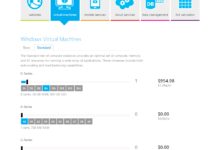
msft azure provides flexible compute options to run applications in the cloud. These include Virtual Machines (VMs), Azure Kubernetes Service (AKS), and Azure Functions for serverless architecture.
- Azure VMs: Allow you to run Windows or Linux environments with full control over configurations.
- AKS: Simplifies container orchestration using Kubernetes, ideal for microservices.
- Azure Functions: Enables event-driven, pay-per-use code execution without managing servers.
These services are critical for developers building scalable applications. For example, Azure Virtual Machines support thousands of configurations, making them suitable for everything from dev/test environments to production workloads.
Storage and Data Management Solutions
Data is at the heart of every digital operation, and msft azure offers reliable, secure, and scalable storage options.
- Azure Blob Storage: Ideal for unstructured data like images, videos, and backups.
- Azure SQL Database: A fully managed relational database with built-in intelligence.
- Azure Data Lake: Designed for big data analytics with petabyte-scale storage.
With features like geo-replication and automatic backups, msft azure ensures high availability and disaster recovery. You can learn more about Azure Storage on Microsoft’s official site.
Networking and Security Infrastructure
msft azure provides enterprise-grade networking tools to connect cloud resources securely.
- Azure Virtual Network (VNet): Isolates your cloud environment and controls traffic flow.
- Azure Firewall: A managed, cloud-native firewall service for protection.
- Azure DDoS Protection: Shields applications from distributed denial-of-service attacks.
Security is deeply integrated into msft azure’s architecture. Features like Zero Trust models, multi-factor authentication (MFA), and Azure Active Directory (AAD) enhance identity management.
Why Enterprises Choose msft azure Over Competitors
While AWS and Google Cloud dominate headlines, msft azure has carved a unique niche—especially among enterprises already invested in Microsoft technologies.
Seamless Integration with Microsoft Ecosystem
Organizations using Microsoft 365, Active Directory, or .NET frameworks find msft azure a natural fit. This integration reduces learning curves and accelerates deployment.
- Single sign-on (SSO) across Azure and Office 365
- Hybrid identity with Azure AD Connect
- Direct migration paths for on-premises Exchange, SharePoint, and SQL Server
This synergy makes msft azure particularly attractive to large corporations with legacy systems.
Hybrid Cloud Leadership with Azure Stack
Unlike pure public cloud providers, msft azure excels in hybrid scenarios. Azure Stack allows businesses to run Azure services on-premises, giving them flexibility and compliance control.
- Azure Stack HCI: Hyper-converged infrastructure for virtualized workloads
- Azure Stack Edge: Brings AI and data processing to remote locations
- Consistent APIs and management tools across cloud and on-prem
For industries like healthcare and finance, where data sovereignty is crucial, this hybrid model is a game-changer.
Global Reach and Compliance Standards
msft azure operates in more countries than any other cloud provider—over 140. This global footprint ensures low latency and adherence to local regulations.
- Certified for GDPR, HIPAA, ISO 27001, and SOC 2
- Regional data residency options for sensitive workloads
- Support for government-specific clouds (Azure Government, Azure Germany)
According to Microsoft, Azure’s global infrastructure spans 60+ regions, offering unmatched reach.
msft azure for Artificial Intelligence and Machine Learning
AI is no longer a futuristic concept—it’s a business imperative. msft azure positions itself as a leader in democratizing AI for developers and enterprises.
Azure Cognitive Services: AI Made Accessible
These pre-built APIs allow developers to add intelligent features without deep machine learning expertise.
- Computer Vision: Analyze images and extract text or detect objects.
- Text Analytics: Detect sentiment, key phrases, and language in text.
- Speech Services: Enable voice-to-text, text-to-speech, and real-time translation.
For example, a retail app can use Azure Cognitive Services to analyze customer reviews and improve product recommendations.
Azure Machine Learning Studio: Build Custom Models
For data scientists, Azure Machine Learning Studio offers a drag-and-drop interface and Jupyter notebook integration to build, train, and deploy models.
- AutoML capabilities to automate model selection
- Integration with Python, TensorFlow, and PyTorch
- Model monitoring and retraining pipelines
This tool reduces the time to production for ML models from weeks to days.
AI-Powered Automation with Azure Bot Service
Customer service is being transformed by chatbots, and msft azure leads the way with Azure Bot Service.
- Integrates with Microsoft Teams, Slack, and web apps
- Leverages Language Understanding (LUIS) for natural conversations
- Supports voice and text interactions
Companies use these bots for 24/7 support, appointment scheduling, and order tracking—reducing operational costs significantly.
Cost Management and Pricing Models in msft azure
Understanding pricing is crucial for any cloud adoption. msft azure offers flexible models to suit different budgets and usage patterns.
Pay-As-You-Go vs. Reserved Instances
msft azure operates on a consumption-based model, but you can optimize costs through reservations.
- Pay-As-You-Go: Pay only for what you use, ideal for variable workloads.
- Reserved VM Instances: Save up to 72% by committing to 1- or 3-year terms.
- Spot VMs: Use unused capacity at up to 90% discount for non-critical tasks.
For predictable workloads like databases or ERP systems, reserved instances offer substantial savings.
Azure Cost Management Tools
Microsoft provides robust tools to monitor, analyze, and optimize spending.
- Azure Cost Management + Billing: Track expenses by resource, department, or project.
- Recommendations Engine: Suggests underutilized resources and right-sizing opportunities.
- Budget Alerts: Notify teams when spending exceeds thresholds.
These tools help prevent bill shock and promote accountability across teams.
Total Cost of Ownership (TCO) Comparison
While cloud services have upfront costs, msft azure often reduces long-term TCO compared to on-premises infrastructure.
- No need for physical server maintenance
- Reduced energy and cooling costs
- Lower staffing requirements for IT operations
Microsoft offers a TCO Calculator to estimate savings based on your current setup.
Security and Compliance in msft azure
In an era of rising cyber threats, security is non-negotiable. msft azure is built on a foundation of trust, transparency, and continuous innovation.
Built-In Security Features
msft azure integrates security at every layer—from physical data centers to application code.
- Azure Security Center: Provides unified security management and advanced threat protection.
- Microsoft Defender for Cloud: Extends security to multi-cloud and hybrid environments.
- Just-In-Time VM Access: Reduces attack surface by opening ports only when needed.
These features help detect and respond to threats in real time.
Identity and Access Management
Controlling who accesses what is critical. msft azure uses Azure Active Directory (AAD) as its identity backbone.
- Multi-factor authentication (MFA) for secure logins
- Conditional Access policies based on user location, device, or risk level
- Role-Based Access Control (RBAC) for granular permissions
With over 2.5 billion identities protected, AAD is one of the most trusted identity platforms globally.
Compliance and Data Governance
msft azure meets stringent regulatory requirements across industries.
- Supports compliance for HIPAA (healthcare), FedRAMP (U.S. government), and PCI DSS (payment processing)
- Data encryption at rest and in transit by default
- Audit logs and activity tracking via Azure Monitor
Organizations can confidently store sensitive data knowing msft azure adheres to global standards.
Innovation and Future Trends with msft azure
msft azure isn’t standing still. Microsoft continuously invests in cutting-edge technologies to stay ahead of the curve.
Azure and the Rise of Edge Computing
As IoT devices multiply, processing data closer to the source becomes essential. msft azure addresses this with Azure IoT Edge.
- Runs AI models on devices like sensors and gateways
- Reduces latency and bandwidth usage
- Enables real-time decision-making in manufacturing, logistics, and healthcare
For example, a factory can use Azure IoT Edge to detect equipment failures before they occur.
Quantum Computing with Azure Quantum
Though still emerging, quantum computing promises to solve problems beyond classical computers. msft azure offers Azure Quantum as a cloud-accessible platform.
- Partnerships with quantum hardware providers like IonQ and Quantinuum
- Q# programming language for quantum algorithm development
- Simulation tools to test quantum circuits
While not mainstream yet, Azure Quantum positions developers to explore future possibilities.
Sustainability and Green Cloud Initiatives
Microsoft is committed to being carbon negative by 2030, and msft azure plays a key role.
- Uses renewable energy for data centers
- Optimizes cooling and power efficiency
- Provides customers with carbon footprint tracking tools
Through the Azure Sustainability Calculator, businesses can measure their environmental impact and make greener choices.
What is msft azure?
msft azure is Microsoft’s cloud computing platform that provides over 200 services for computing, storage, networking, AI, and more. It enables businesses to build, deploy, and manage applications globally with high scalability and security.
How does msft azure compare to AWS?
While AWS has a larger market share, msft azure excels in hybrid cloud integration, enterprise support, and seamless connectivity with Microsoft products. It’s often preferred by organizations already using Microsoft 365 or Active Directory.
Is msft azure secure?
Yes, msft azure is highly secure, offering built-in encryption, threat detection, identity management via Azure AD, and compliance with global standards like GDPR and HIPAA. Microsoft invests over $1 billion annually in cybersecurity.
Can I use msft azure for AI development?
Absolutely. msft azure provides tools like Azure Cognitive Services, Azure Machine Learning, and Bot Service to build intelligent applications without deep AI expertise.
How much does msft azure cost?
Pricing varies based on usage. msft azure uses a pay-as-you-go model, with options for reserved instances and free tiers for beginners. You can estimate costs using the Azure Pricing Calculator.
In conclusion, msft azure is more than just a cloud platform—it’s a complete digital transformation engine. From scalable compute and secure networking to AI, hybrid capabilities, and sustainability, it offers enterprises the tools they need to innovate and compete in the modern world. Whether you’re migrating legacy systems, building new apps, or leveraging AI, msft azure provides a reliable, integrated, and future-ready environment. As cloud adoption accelerates, choosing msft azure means choosing power, flexibility, and trust.
Further Reading: