MS Azure isn’t just another cloud platform—it’s a powerhouse transforming how businesses innovate, scale, and secure their digital future. Let’s dive into what makes it a game-changer.


What Is MS Azure and Why It Matters

Microsoft Azure, commonly referred to as MS Azure, is a comprehensive cloud computing platform developed by Microsoft. Launched in 2010, it has rapidly evolved into one of the leading cloud service providers globally, second only to Amazon Web Services (AWS) in market share. MS Azure offers over 200 services ranging from computing, analytics, storage, and networking to artificial intelligence (AI), machine learning (ML), and the Internet of Things (IoT).
Origins and Evolution of MS Azure
MS Azure began as Windows Azure, primarily focused on application hosting. Over the years, Microsoft rebranded and expanded its capabilities to support enterprise-grade workloads, hybrid environments, and global scalability. By 2014, it was rebranded as Microsoft Azure to reflect its broader scope beyond Windows-centric services.
- 2010: Launched as Windows Azure for PaaS (Platform as a Service).
- 2014: Rebranded to Microsoft Azure with expanded IaaS (Infrastructure as a Service) offerings.
- 2018: Introduced Azure Arc for hybrid and multi-cloud management.
- 2020: Accelerated AI and edge computing capabilities with Azure IoT Edge and Azure Cognitive Services.
Today, MS Azure powers over 95% of Fortune 500 companies, demonstrating its enterprise trust and reliability. You can explore more about its history on the official Microsoft Azure overview page.
Core Components of MS Azure
MS Azure’s architecture is built on three primary service models: Infrastructure as a Service (IaaS), Platform as a Service (PaaS), and Software as a Service (SaaS). Each model serves different business needs and technical requirements.
- IaaS: Provides virtualized computing resources over the internet. Examples include Azure Virtual Machines and Azure Blob Storage.
- PaaS: Offers a platform allowing customers to develop, run, and manage applications without dealing with infrastructure. Azure App Services and Azure Functions are key examples.
- SaaS: Delivers software applications over the internet on a subscription basis. Microsoft 365 is a SaaS product that integrates seamlessly with MS Azure.
“Azure is not just about moving to the cloud—it’s about reinventing how you do business.” — Satya Nadella, CEO of Microsoft
Key Services Offered by MS Azure
MS Azure provides a vast ecosystem of services designed to meet diverse business needs. From virtual machines to AI-driven analytics, the platform supports innovation across industries.
Compute Services in MS Azure
Compute services form the backbone of any cloud infrastructure. MS Azure offers several compute options tailored to different performance, scalability, and cost requirements.
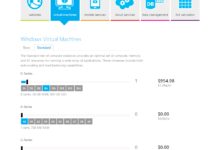
- Azure Virtual Machines (VMs): Allow users to deploy Windows or Linux VMs in minutes. These are ideal for workloads requiring full control over the OS and environment.
- Azure Kubernetes Service (AKS): Simplifies container orchestration using Kubernetes, enabling scalable microservices architectures.
- Azure Functions: A serverless compute service that runs code in response to events without managing infrastructure.
These services enable developers to build resilient, scalable applications. For deeper technical insights, visit the Azure Virtual Machines documentation.
Storage and Database Solutions
Data is the lifeblood of modern applications, and MS Azure offers robust, secure, and scalable storage options.
- Azure Blob Storage: Designed for unstructured data like images, videos, and backups. It supports hot, cool, and archive tiers for cost optimization.
- Azure SQL Database: A fully managed relational database service with built-in high availability and AI-powered performance tuning.
- Azure Cosmos DB: A globally distributed, multi-model database service offering low-latency access across regions.
With data sovereignty and compliance features, MS Azure ensures your data meets regional regulations like GDPR and HIPAA.
Networking and Security Features
MS Azure provides advanced networking tools to ensure secure, fast, and reliable connectivity.
- Azure Virtual Network (VNet): Enables isolated networks in the cloud, allowing secure communication between resources.
- Azure Firewall: A managed, cloud-native firewall service that protects cloud workloads.
- Azure DDoS Protection: Defends against distributed denial-of-service attacks with real-time monitoring and mitigation.
Security is deeply integrated into MS Azure’s design. The platform uses Zero Trust principles and offers tools like Azure Security Center and Microsoft Defender for Cloud to monitor threats across hybrid environments.
MS Azure vs. AWS vs. Google Cloud: A Comparative Analysis
When choosing a cloud provider, businesses often compare MS Azure with Amazon Web Services (AWS) and Google Cloud Platform (GCP). Each has strengths, but MS Azure stands out in specific areas.
Market Share and Global Reach
As of 2024, AWS leads the market with around 32% share, followed by MS Azure at 23%, and GCP at 10%. However, MS Azure’s growth rate is the fastest among the three, driven by strong enterprise adoption and hybrid cloud strategies.
- MS Azure operates in 60+ regions worldwide, more than any other cloud provider.
- Its integration with Microsoft 365, Active Directory, and Dynamics 365 gives it an edge in enterprise environments.
- Azure’s hybrid capabilities via Azure Stack and Azure Arc make it ideal for organizations with on-premises infrastructure.
This global footprint ensures low-latency access and compliance with local data laws. Learn more about Azure’s global infrastructure here.
Pricing and Cost Management
Cloud costs can spiral if not managed properly. MS Azure offers flexible pricing models and robust cost management tools.
- Pay-as-you-go: Pay only for what you use, ideal for startups and variable workloads.
- Reserved Instances: Save up to 72% by committing to one- or three-year terms.
- Azure Cost Management + Billing: Provides dashboards, budgets, and alerts to track spending across teams and projects.
Compared to AWS, MS Azure often offers better pricing for Windows-based workloads due to licensing bundling with Microsoft products.
Integration with Microsoft Ecosystem
One of MS Azure’s biggest advantages is its seamless integration with Microsoft’s suite of products.
- Active Directory integrates directly with Azure AD (now Microsoft Entra ID), simplifying identity and access management.
- Power BI, Teams, and Office 365 can be extended with Azure-hosted data and AI models.
- Developers using .NET, Visual Studio, or SQL Server find Azure a natural fit for deployment and scaling.
This tight integration reduces friction and accelerates digital transformation for organizations already invested in Microsoft technologies.
Hybrid and Multi-Cloud Capabilities with MS Azure
In today’s complex IT landscape, few organizations operate entirely in the public cloud. Many rely on a mix of on-premises, private, and public cloud environments—this is where MS Azure shines.
What Is Hybrid Cloud and Why It Matters
A hybrid cloud combines on-premises infrastructure with public cloud services, allowing data and applications to be shared between them. This model offers flexibility, cost efficiency, and compliance benefits.
- Organizations can keep sensitive data on-premises while leveraging the cloud for scalability.
- Disaster recovery and backup strategies become more resilient with hybrid setups.
- Legacy applications can coexist with modern cloud-native services.
MS Azure leads in hybrid cloud adoption through solutions like Azure Stack and Azure Arc.
Azure Stack: Bringing the Cloud On-Premises
Azure Stack is a hybrid cloud platform that delivers Azure services from your data center. It comes in two flavors:
- Azure Stack Hub: For service providers and large enterprises needing a full-scale private cloud.
- Azure Stack HCI: A hyper-converged infrastructure solution for virtualized workloads.
- Azure Stack Edge: A hardware device with AI and storage capabilities for edge computing.
This allows businesses to run Azure services locally while maintaining consistency in APIs, tooling, and security policies.
Azure Arc: Unified Management Across Environments
Azure Arc extends Azure’s management plane to any infrastructure—on-premises, multi-cloud (AWS, GCP), or edge devices.
- Enables centralized governance, policy enforcement, and monitoring.
- Supports Kubernetes clusters, servers, and data services across environments.
- Facilitates consistent DevOps practices regardless of where workloads run.
With Azure Arc, IT teams gain a single pane of glass for managing heterogeneous environments, reducing operational complexity.
AI, Machine Learning, and Data Analytics in MS Azure
MS Azure is not just about infrastructure—it’s a leader in democratizing artificial intelligence and advanced analytics for businesses of all sizes.
Azure Cognitive Services: AI for Everyone
Azure Cognitive Services provide pre-built AI models that developers can integrate into applications without deep ML expertise.
- Computer Vision API: Analyzes images for objects, text, and faces.
- Text Analytics: Extracts sentiment, key phrases, and entities from text.
- Speech Services: Enables speech-to-text, text-to-speech, and voice recognition.
These services power chatbots, accessibility tools, and customer experience platforms. Explore them at Azure Cognitive Services.
Azure Machine Learning Studio
Azure Machine Learning is a cloud-based environment for training, deploying, and managing ML models.
- Supports automated ML (AutoML) to accelerate model development.
- Integrates with popular frameworks like TensorFlow, PyTorch, and scikit-learn.
- Offers MLOps capabilities for model versioning, monitoring, and CI/CD pipelines.
Data scientists and developers can collaborate using Jupyter notebooks, drag-and-drop interfaces, or code-first approaches.
Big Data and Real-Time Analytics
MS Azure provides powerful tools for processing and analyzing massive datasets in real time.
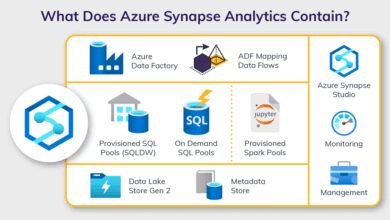
- Azure Synapse Analytics: Combines data integration, enterprise data warehousing, and big data analytics in one service.
- Azure Databricks: An Apache Spark-based analytics platform optimized for AI and ML workloads.
- Azure Stream Analytics: Processes streaming data from IoT devices, logs, and applications.
These tools enable organizations to derive actionable insights from structured and unstructured data at scale.
Security, Compliance, and Identity Management in MS Azure
In an era of rising cyber threats, security is non-negotiable. MS Azure offers a comprehensive, proactive security framework.
Zero Trust Security Model
MS Azure implements the Zero Trust principle: “Never trust, always verify.” This means every access request is authenticated, authorized, and encrypted.
- Multi-factor authentication (MFA) is enforced across services.
- Conditional access policies adapt based on user location, device health, and risk level.
- Identity protection uses AI to detect anomalies and prevent breaches.
This model significantly reduces the attack surface and enhances overall security posture.
Compliance and Data Residency
MS Azure complies with over 140 international and industry-specific standards, including:
- GDPR (General Data Protection Regulation)
- HIPAA (Health Insurance Portability and Accountability Act)
- ISO/IEC 27001, SOC 1/2/3
- PCI DSS for payment processing
With data residency options, organizations can ensure their data stays within specific geographic boundaries, meeting legal and regulatory requirements.
Microsoft Defender for Cloud
Formerly Azure Security Center, Microsoft Defender for Cloud is a unified security management and advanced threat protection service.
- Provides security recommendations and vulnerability assessments.
- Monitors for threats across servers, containers, databases, and networks.
- Integrates with Microsoft Sentinel for cloud-native SIEM (Security Information and Event Management).
It offers a proactive defense strategy, helping organizations detect and respond to threats faster.
Industry Use Cases and Real-World Applications of MS Azure
MS Azure isn’t just for tech companies—it’s transforming industries from healthcare to manufacturing.
Healthcare: Secure Data and AI-Driven Diagnostics
Hospitals and research institutions use MS Azure to store patient records securely and analyze medical imaging.
- Azure Health Data Services enable FHIR-compliant data exchange.
- AI models help detect tumors in radiology scans with high accuracy.
- Telemedicine platforms run on Azure for scalable, secure video consultations.
For example, the UK’s NHS uses Azure to manage patient data and streamline operations.
Manufacturing: Predictive Maintenance and IoT
Manufacturers leverage Azure IoT Hub and Azure Digital Twins to monitor equipment and optimize production.
- Sensors collect real-time data from machines to predict failures before they occur.
- Digital twins simulate physical assets for testing and optimization.
- Supply chain visibility improves with blockchain integration via Azure Blockchain Service.
Siemens and BMW use MS Azure to enhance factory efficiency and reduce downtime.
Financial Services: Fraud Detection and Regulatory Compliance
Banks and fintech firms use MS Azure for secure transaction processing and AI-powered fraud detection.
- Real-time analytics flag suspicious activities using machine learning.
- Encrypted databases ensure customer data privacy.
- Compliance automation reduces manual audits and reporting errors.
JPMorgan Chase and HSBC have migrated critical workloads to MS Azure for scalability and security.
Getting Started with MS Azure: A Beginner’s Guide
Starting with MS Azure can seem overwhelming, but Microsoft provides extensive resources to help you begin.
Creating Your First Azure Account
You can sign up for a free Azure account that includes $200 in credits and access to over 25 services for 12 months.
- Visit Azure Free Account to get started.
- No upfront cost or expiration for the free services.
- After the trial, you can upgrade to pay-as-you-go or request enterprise agreements.
The portal is user-friendly, with guided tours and quickstart templates.
Learning Resources and Certifications
Microsoft offers a wealth of learning paths for developers, administrators, and architects.
- Microsoft Learn: Free interactive modules on Azure fundamentals, AI, security, and more.
- Azure Certifications: Entry-level (AZ-900), Associate (e.g., AZ-104, AZ-204), and Expert levels.
- Azure DevOps Labs: Hands-on labs for CI/CD, infrastructure as code, and automation.
These certifications are highly valued in the IT job market and can boost your career.
Best Practices for Deploying on MS Azure
To maximize performance and minimize costs, follow these best practices:
- Use resource groups to organize related services.
- Enable monitoring with Azure Monitor and Application Insights.
- Implement role-based access control (RBAC) for security.
- Leverage Azure Policy for governance and compliance.
- Automate deployments using ARM templates or Terraform.
Adopting these practices ensures a scalable, secure, and maintainable cloud environment.
What is MS Azure used for?
MS Azure is used for a wide range of purposes including hosting virtual machines, running web applications, storing data, implementing AI and machine learning models, managing IoT devices, and securing enterprise networks. It supports both cloud-native and hybrid deployments.
How does MS Azure compare to AWS?
While AWS has a larger market share, MS Azure excels in hybrid cloud integration, enterprise support, and seamless connectivity with Microsoft products like Office 365 and Active Directory. Azure also offers competitive pricing for Windows-based workloads.
Is MS Azure difficult to learn?
MS Azure has a learning curve, but Microsoft provides extensive free resources, tutorials, and certifications. Beginners can start with the AZ-900 exam (Azure Fundamentals) to build foundational knowledge.
Can MS Azure be used for AI development?
Yes, MS Azure offers powerful AI tools like Azure Cognitive Services, Azure Machine Learning, and Azure Bot Service. These enable developers to build intelligent applications without deep expertise in data science.
What industries benefit most from MS Azure?
Industries such as healthcare, finance, manufacturing, education, and government benefit significantly from MS Azure due to its compliance, security, scalability, and AI capabilities.
MS Azure is more than just a cloud platform—it’s a catalyst for digital transformation. With its robust services, global reach, hybrid capabilities, and AI-driven tools, it empowers organizations to innovate faster and operate more securely. Whether you’re a startup or a Fortune 500 company, MS Azure offers the flexibility and power to meet your evolving needs. By leveraging its ecosystem, businesses can future-proof their IT infrastructure and stay ahead in a competitive landscape.
Further Reading: