If you’ve ever wondered ‘Azure what is’ and why it dominates the cloud world, you’re not alone. In this deep dive, we’ll unravel Microsoft Azure from the ground up—what it is, how it works, and why millions of businesses trust it daily.



Azure What Is: The Ultimate Cloud Platform Explained

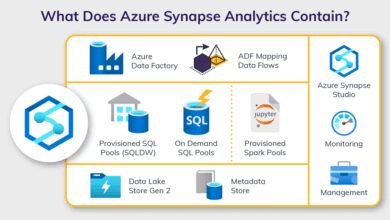
When people ask ‘Azure what is,’ they’re often looking for more than a textbook definition. Microsoft Azure is a comprehensive cloud computing platform that offers over 200 services, including computing, analytics, storage, and networking. Launched in 2010 as Windows Azure, it has evolved into one of the top three cloud providers globally, alongside Amazon Web Services (AWS) and Google Cloud Platform (GCP).
Origins and Evolution of Azure
Azure began as a platform for hosting .NET applications but quickly expanded to support a wide range of programming languages, tools, and frameworks—both Microsoft-based and third-party. By 2014, Microsoft rebranded it from ‘Windows Azure’ to simply ‘Microsoft Azure’ to reflect its broader capabilities beyond Windows.
- 2010: Launched as Windows Azure for cloud app hosting.
- 2014: Rebranded to Microsoft Azure, signaling expansion.
- 2020–2024: Rapid growth in AI, hybrid cloud, and edge computing.
This evolution shows how Azure adapted to market needs, becoming a leader in hybrid and multi-cloud environments. According to Microsoft’s official site, Azure now operates in over 60 regions worldwide, making it one of the most geographically distributed cloud platforms.
Core Components of Azure
Azure isn’t a single product—it’s an ecosystem. Its architecture is built around several core components that work together seamlessly:
- Compute: Virtual machines, containers, serverless functions (Azure Functions), and batch processing.
- Storage: Blob, file, queue, and table storage with high durability and scalability.
- Networking: Virtual networks, load balancers, DNS, and content delivery networks (CDN).
- Security & Identity: Azure Active Directory (AAD), Key Vault, and Defender for Cloud.
- AI & Machine Learning: Cognitive Services, Azure ML, and OpenAI integration.
“Azure is not just about infrastructure; it’s about enabling innovation at scale.” — Satya Nadella, CEO of Microsoft
These components allow developers and enterprises to build, deploy, and manage applications across a global network of data centers.
Azure What Is and How It Compares to AWS and GCP
Understanding ‘Azure what is’ also means seeing how it stacks up against its biggest rivals. While AWS leads in market share, Azure excels in integration with existing Microsoft products and hybrid cloud solutions.
Market Position and Global Reach
As of 2024, Gartner and Synergy Research Group report that AWS holds about 32% of the cloud infrastructure market, Azure follows with 23%, and GCP has around 10%. But Azure’s growth rate is among the highest, driven by enterprise adoption and government contracts.
- Azure operates in 66 availability zones across 29 regions—more than any other provider in Europe and Asia.
- It supports compliance with over 140 global standards, including GDPR, HIPAA, and FedRAMP.
- Microsoft’s partnerships with SAP, Adobe, and BMW highlight its enterprise credibility.
For organizations already using Microsoft 365, Active Directory, or SQL Server, Azure offers a smoother migration path than AWS or GCP. This interoperability is a key reason why many Fortune 500 companies choose Azure.
Unique Advantages Over Competitors
What sets Azure apart isn’t just its features, but its strategic positioning:
- Hybrid Cloud Leadership: Azure Arc allows management of on-premises, multi-cloud, and edge resources from a single control plane.
- Windows Server & SQL Server Integration: Seamless licensing and performance optimization for Microsoft workloads.
- AI and Copilot Integration: Azure OpenAI Service powers Microsoft’s Copilot suite, giving it an edge in generative AI.
- Strong Government and Enterprise Ties: Azure Government and Azure for Sovereign Nations cater to strict regulatory environments.
While AWS may offer more niche services, Azure wins on integration, security, and hybrid flexibility. A detailed comparison can be found on Microsoft’s Azure vs AWS page.
azure what is – Azure what is menjadi aspek penting yang dibahas di sini.
Azure What Is: Key Services That Power Modern Businesses
To truly grasp ‘Azure what is,’ you need to explore its most impactful services. These tools are the backbone of digital transformation for companies worldwide.
Virtual Machines and Compute Options
Azure Virtual Machines (VMs) allow users to run Windows or Linux in the cloud with full control over configuration. You can scale up during peak loads and scale down to save costs.
- Supports custom images, automated scaling, and high availability.
- Offers specialized VMs for GPU-intensive tasks like AI training.
- Integration with Azure Kubernetes Service (AKS) for container orchestration.
For serverless computing, Azure Functions enables event-driven code execution without managing infrastructure. This is ideal for microservices and backend APIs.
Storage Solutions: Blob, Disk, and Data Lake
Azure provides multiple storage tiers tailored to different needs:
- Blob Storage: For unstructured data like images, videos, and backups. Offers hot, cool, and archive tiers based on access frequency.
- Managed Disks: High-performance SSDs and HDDs for VMs with built-in replication.
- Azure Data Lake Storage: Designed for big data analytics with hierarchical namespace support.
With 99.999999999% (11 nines) durability for blob storage, Azure ensures your data is safe even in the event of hardware failure.
Networking and Connectivity
Azure Virtual Network (VNet) lets you create isolated environments in the cloud, similar to on-premises networks. You can define subnets, IP ranges, and routing rules.
- Azure ExpressRoute provides private, high-speed connections from on-premises to Azure, bypassing the public internet.
- Azure Front Door and CDN improve global application performance by caching content closer to users.
- DDoS Protection and Network Watcher enhance security and monitoring.
These services ensure low latency, high availability, and secure communication between cloud and on-premises systems.
Azure What Is: Security, Compliance, and Identity Management
Security is a top concern for any cloud platform, and Azure addresses this comprehensively. When asking ‘Azure what is,’ security must be part of the answer.
Azure Active Directory (AAD)
Azure AD is Microsoft’s cloud-based identity and access management service. It’s the foundation for single sign-on (SSO), multi-factor authentication (MFA), and conditional access policies.
- Used by over 1.4 billion users worldwide.
- Integrates with thousands of SaaS apps like Salesforce, Zoom, and Dropbox.
- Supports identity federation with on-premises Active Directory via Azure AD Connect.
Azure AD is now known as Microsoft Entra ID, reflecting its expanded role in zero-trust security models.
Defender for Cloud and Threat Protection
Microsoft Defender for Cloud (formerly Azure Security Center) provides unified security management across hybrid cloud workloads.
azure what is – Azure what is menjadi aspek penting yang dibahas di sini.
- Automatically assesses security posture and recommends improvements.
- Offers threat detection for VMs, containers, SQL databases, and storage.
- Integrates with Microsoft Sentinel for SIEM (Security Information and Event Management).
It uses AI to detect anomalies and potential breaches in real time, reducing response times significantly.
Compliance and Data Residency
Azure meets more compliance certifications than any other cloud provider, including ISO 27001, SOC 1/2/3, and country-specific regulations.
- Data residency options allow organizations to store data in specific geographic locations.
- Azure Policy enforces organizational standards and regulatory requirements.
- Audit logs and encryption (at rest and in transit) are enabled by default.
This makes Azure a preferred choice for healthcare, finance, and government sectors where data sovereignty is critical.
Azure What Is: AI, Machine Learning, and Innovation
One of the most exciting aspects of ‘Azure what is’ lies in its AI and machine learning capabilities. Azure isn’t just infrastructure—it’s a platform for intelligent applications.
Azure Machine Learning Studio
Azure ML is a cloud-based environment for building, training, and deploying machine learning models.
- Supports automated ML (AutoML) for faster model development.
- Integrates with popular frameworks like TensorFlow, PyTorch, and scikit-learn.
- Enables MLOps for continuous integration and deployment of ML pipelines.
Data scientists can use drag-and-drop interfaces or write code in Python or R, making it accessible to both beginners and experts.
Cognitive Services and AI APIs
Azure Cognitive Services provide pre-built AI models for vision, speech, language, and decision-making.
- Computer Vision API can analyze images for objects, text, and faces.
- Text Analytics detects sentiment, key phrases, and entities in documents.
- Speech to Text and Text to Speech enable voice-enabled applications.
These APIs are used in chatbots, accessibility tools, and customer service automation. Developers can integrate them with just a few lines of code.
Azure OpenAI and Generative AI
Azure OpenAI Service gives businesses secure access to powerful models like GPT-3.5, GPT-4, and embeddings.
- Used to build custom chatbots, content generators, and code assistants.
- Ensures data privacy—your inputs are not used to train public models.
- Integrated with Microsoft Copilot for GitHub, Office, and Windows.
This service has become a game-changer for enterprises wanting to leverage generative AI without compromising security. Learn more at Azure OpenAI Service.
Azure What Is: Pricing, Cost Management, and Free Tier
Cost is a major factor when adopting any cloud platform. Understanding ‘Azure what is’ includes knowing how it’s priced and how to optimize spending.
azure what is – Azure what is menjadi aspek penting yang dibahas di sini.
Pricing Models and Cost Structure
Azure uses a pay-as-you-go model, where you only pay for what you use. However, there are multiple pricing options:
- Pay-As-You-Go: Ideal for variable workloads and startups.
- Reserved Instances: Up to 72% discount for committing to 1- or 3-year terms.
- Spot VMs: Up to 90% off for non-critical, interruptible workloads.
- Hybrid Benefit: Save up to 40% by using existing Windows Server or SQL Server licenses.
Unlike some competitors, Azure offers per-minute billing for VMs, giving finer cost control.
Cost Management Tools
Azure Cost Management + Billing helps track, analyze, and optimize cloud spending.
- Provides dashboards for budget tracking and cost trends.
- Recommends optimizations like resizing underutilized VMs.
- Supports chargeback and showback models for internal billing.
You can set budget alerts and automate responses using Azure Logic Apps.
Free Tier and Learning Resources
Azure offers a free account with $200 credit for 30 days and access to over 55 free services for 12 months.
- Includes free VMs, blob storage, and Azure Functions.
- Free access to Azure DevOps, App Services, and Cosmos DB.
- Microsoft Learn provides hundreds of free modules to get certified.
This makes Azure one of the most accessible platforms for students, developers, and small businesses. Visit Azure Free Account to get started.
Azure What Is: Real-World Use Cases and Industry Adoption
The true measure of ‘Azure what is’ lies in how it’s used across industries. From startups to governments, Azure powers real innovation.
Healthcare and Life Sciences
Hospitals and research institutions use Azure for secure patient data management and AI-driven diagnostics.
- Partners like Philips and Novartis use Azure for medical imaging and drug discovery.
- Azure Health Data Services enables FHIR-compliant data exchange.
- AI models predict patient deterioration and optimize hospital workflows.
During the pandemic, Azure supported vaccine research and telehealth expansion.
Finance and Banking
Banks like JPMorgan Chase and HSBC use Azure for fraud detection, risk modeling, and customer service automation.
- Real-time transaction monitoring with Azure Stream Analytics.
- Secure cloud migration of core banking systems.
- Chatbots powered by Azure Bot Service improve customer engagement.
Azure’s compliance with financial regulations makes it a trusted partner in this sector.
azure what is – Azure what is menjadi aspek penting yang dibahas di sini.
Manufacturing and IoT
BMW and Schneider Electric use Azure IoT Hub to connect millions of devices and sensors.
- Monitor equipment health and predict maintenance needs.
- Optimize supply chains with real-time data analytics.
- Use digital twins to simulate factory operations.
Azure Digital Twins enables modeling of physical environments, revolutionizing smart manufacturing.
What is Azure and why is it important?
Azure is Microsoft’s cloud computing platform that provides infrastructure, platform, and software services over the internet. It’s important because it enables businesses to scale, innovate, and reduce IT costs without managing physical servers.
How does Azure differ from AWS?
Azure integrates better with Microsoft products, offers superior hybrid cloud capabilities, and is preferred by enterprises already using Windows Server or Office 365. AWS has a broader service catalog but can be more complex to manage.
Is Azure free to use?
Azure offers a free tier with $200 credit for 30 days and access to many free services for 12 months. After that, you pay only for what you use, with flexible pricing options.
Can I run Linux on Azure?
Yes, Azure fully supports Linux distributions like Ubuntu, CentOS, Red Hat, and SUSE. You can deploy Linux VMs, containers, and applications just like on AWS or GCP.
What is Azure Active Directory?
azure what is – Azure what is menjadi aspek penting yang dibahas di sini.
Azure Active Directory (now Microsoft Entra ID) is a cloud-based identity and access management service that enables single sign-on, multi-factor authentication, and secure access to applications and resources.
Understanding ‘Azure what is’ goes beyond a simple definition—it’s about recognizing its role as a catalyst for digital transformation. From secure hybrid clouds to cutting-edge AI, Azure empowers organizations to innovate faster, scale smarter, and stay ahead in a competitive world. Whether you’re a developer, IT professional, or business leader, Azure offers the tools and flexibility to turn ideas into reality. With continuous innovation, strong security, and global reach, Microsoft Azure isn’t just a cloud platform—it’s the foundation of the future.
Further Reading: